
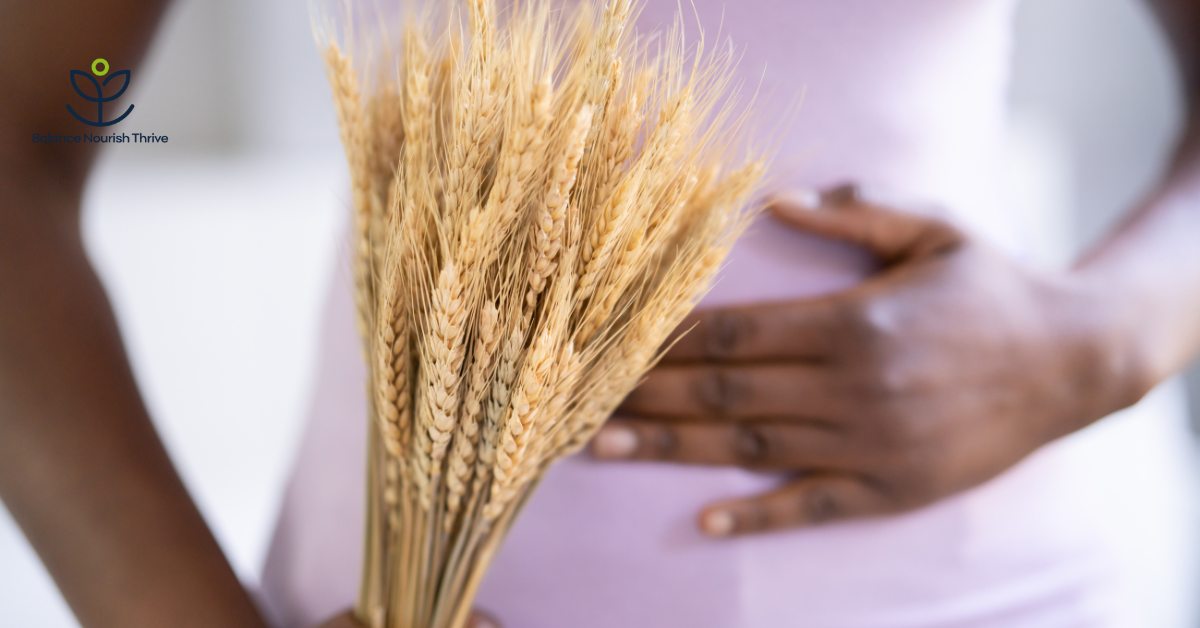
Many people experience digestive discomfort, bloating, fatigue, or skin issues after consuming bread, pasta, or other wheat-based products. But is the issue wheat intolerance or gluten intolerance? While they may seem similar, they are not the same, and understanding the difference is key to making the right dietary choices and supporting your gut health.
If you’ve ever wondered whether you should avoid wheat, gluten, or both, this guide will help you understand the distinctions and how we can test for it at Balance Nourish Thrive to help you find the best approach for your body.
What is Wheat Intolerance?
Wheat intolerance (or wheat sensitivity) occurs when your body has difficulty digesting wheat proteins, leading to digestive discomfort and inflammation. This can be caused by:
- Difficulty breaking down wheat proteins like gliadin and albumin
- Amylase-Trypsin Inhibitors (ATIs) in wheat that cause inflammation in sensitive individuals
- Sensitivity to fermentable carbohydrates (FODMAPs) in wheat, which can cause bloating and discomfort
Symptoms of Wheat Intolerance:
• Bloating and gas
• Stomach cramps
• Diarrhea or constipation
• Fatigue and brain fog
• Skin rashes or eczema
Important Note: Wheat intolerance is NOT the same as celiac disease, which is an autoimmune condition triggered by gluten (explained below).
What is Gluten Intolerance (Non-Celiac Gluten Sensitivity)?
Gluten intolerance, or non-celiac gluten sensitivity (NCGS), occurs when the body has a negative reaction to gluten, a protein found in wheat, barley, and rye. Unlike wheat intolerance, gluten sensitivity affects more than just digestion—it can cause widespread inflammation, neurological symptoms, and immune system activation.
Symptoms of Gluten Intolerance:
• Digestive issues (bloating, diarrhea, constipation, nausea)
• Brain fog, memory issues, and difficulty concentrating
• Fatigue and joint pain
• Skin issues like rashes, acne, or eczema
• Headaches or migraines
Gluten intolerance does not cause the same autoimmune reaction as celiac disease, but it can still trigger inflammation and symptoms throughout the body.
How Are Wheat & Gluten Intolerance Different?
| Feature | Wheat Intolerance | Gluten Intolerance |
| Cause | Sensitivity to wheat proteins & carbs (FODMAPs) | Sensitivity to gluten protein in wheat, barley, rye |
| Symptoms | Mostly digestive | Digestive + neurological + immune |
| Triggers | Wheat-based foods | Any gluten-containing food (including wheat, barley, rye) |
| Can You Eat Gluten-Free? | Maybe (depends on grains tolerated) | No (must avoid all gluten) |
| Autoimmune Reaction? | No | No (but can trigger inflammation) |
| Celiac Disease? | No | No (different from celiac) |
If you react poorly to wheat but not other gluten-containing foods (like barley or rye), you likely have wheat intolerance rather than gluten sensitivity.
How Can You Identify Which One You Have?
Many people self-diagnose wheat or gluten intolerance by eliminating foods and seeing if they feel better. However, this can be misleading, as symptoms could be caused by:
- FODMAP intolerance (difficulty digesting fermentable carbohydrates)
- Leaky gut or microbiome imbalance
- Other food sensitivities (dairy, eggs, soy, etc.)
At Balance Nourish Thrive, we offer Kinesiology-based testing to help you identify the root cause of your food reactions.
What We Can Test For:
✅ Wheat intolerance – Determine if you react specifically to wheat proteins.
✅ Gluten intolerance – Identify if gluten is the issue or if you can tolerate some grains.
✅ Which grains your body can handle – Find out if you can safely eat oats, spelt, quinoa, or other grains.
✅ Gut health assessment – If intolerance has damaged your gut, we can test for:
• The presence of gut infections, toxins and other pathologies
• Inflammation levels
• Nutrient deficiencies (zinc, vitamin D, B-vitamins, glutamine) that are crucial for gut healing
Supporting Gut Healing After Wheat or Gluten Intolerance
If you’ve had long-term intolerance, your gut may need support to heal. Common strategies include:
- Removing trigger foods (wheat or gluten) while identifying safe alternatives
- Supporting gut lining repair with glutamine, collagen, and zinc
- Replenishing beneficial gut bacteria with probiotics and fermented foods
- Balancing digestive enzymes to improve food breakdown
Suspect a Wheat or Gluten Intolerance? Get Tested Today!
If you’re experiencing digestive discomfort, brain fog, fatigue, or unexplained symptoms, don’t guess—test it! At Balance Nourish Thrive, we offer kinesiology testing to pinpoint food intolerances, assess digestive function, and create a personalised healing plan.